GLUTEN-FREE LIVING

A Little Help Along the Way

Gluten-free living comes with a learning curve. Explore our helpful guides and tips to make everyday decisions a little easier.

Grocery Shopping

Labels, ingredients & shopping tips.

EXPLORE SHOPPING TIPS →

Cross-Contact

Keeping your food safe.

LEARN ABOUT FOOD SAFETY →

Gluten-Free Baking

Flours, baking tips & substitutions.

EXPLORE BAKING TIPS →

Eating Out

Dining out and traveling.

DINING & TRAVEL TIPS →

Four GLUTEN-FREE BAKING BASICS

The Golden Rules

A few simple techniques can make a big difference when baking without gluten. These four habits help create more consistent, delicious results.

01
Measure by Weight

Gluten-free flour blends vary in density, so measuring by cups can produce inconsistent results. A kitchen scale helps you measure ingredients accurately.

02
Let Your Batter Rest

Allow batters and doughs to rest for about 15-20 minutes. This gives gluten-free flours and starches time to absorb moisture.

03
Watch Your Oven Temperature

Gluten-free baked goods can behave differently from traditional recipes. Use an oven thermometer and follow the recipe’s baking instructions carefully.

04
Cool Completely

Let breads, cakes, and other baked goods cool completely. Cutting too early can cause a gummy texture or crumbly result.


Structure Matters

Binding Agents Explained

Binding agents help gluten-free baked goods hold together, retain moisture, and develop a better texture. Two commonly used ingredients in gluten-free baking are psyllium husk and xanthan gum.

Psyllium Husk

Psyllium husk absorbs water and forms a gel that helps give gluten-free breads structure, flexibility, and a softer crumb. It’s especially useful in yeast breads and sandwich loaves.

Xanthan Gum

Xanthan gum helps thicken batters, bind ingredients, and improve texture. It’s commonly used in cakes, cookies, muffins, and other baked goods.

Helpful Tip

Some gluten-free flour blends already contain xanthan gum. Always check the ingredient list before adding more. Too much can create a gummy texture.

YOUR GLUTEN-FREE BAKING GUIDE

Understanding Gluten-Free Flours

Not all gluten-free flours work the same way. Each brings its own texture, flavor, and baking properties. Learn what makes each one unique and how to use them in your favorite recipes.

Choosing the Right Gluten-Free Flour

Not every gluten-free flour can be substituted equally. For the best results, follow your recipe’s recommended flour, measure carefully, and remember that different flours absorb moisture differently. When baking, a little experimentation can go a long way!

Affiliate Disclosure: This post contains affiliate links. As an Amazon Associate, I earn from qualifying purchases. This means I may receive a small commission if you purchase through my links, at no additional cost to you.
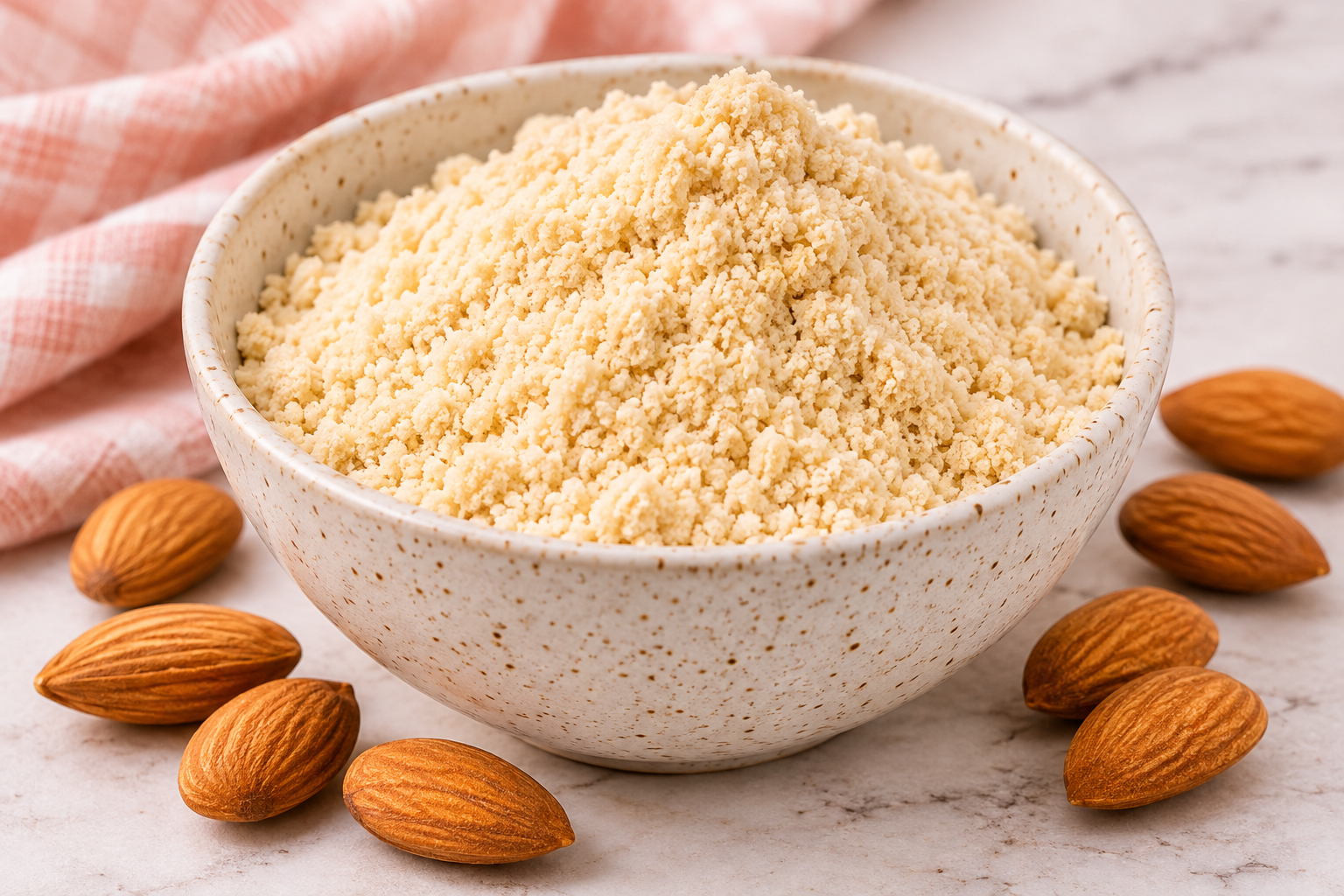
Almond Flour

Made from finely ground almonds. Adds moisture, richness, and a tender texture to cookies, cakes, and other baked goods.

BEST FOR: COOKIES & CAKES

Shop Trusted Brands →
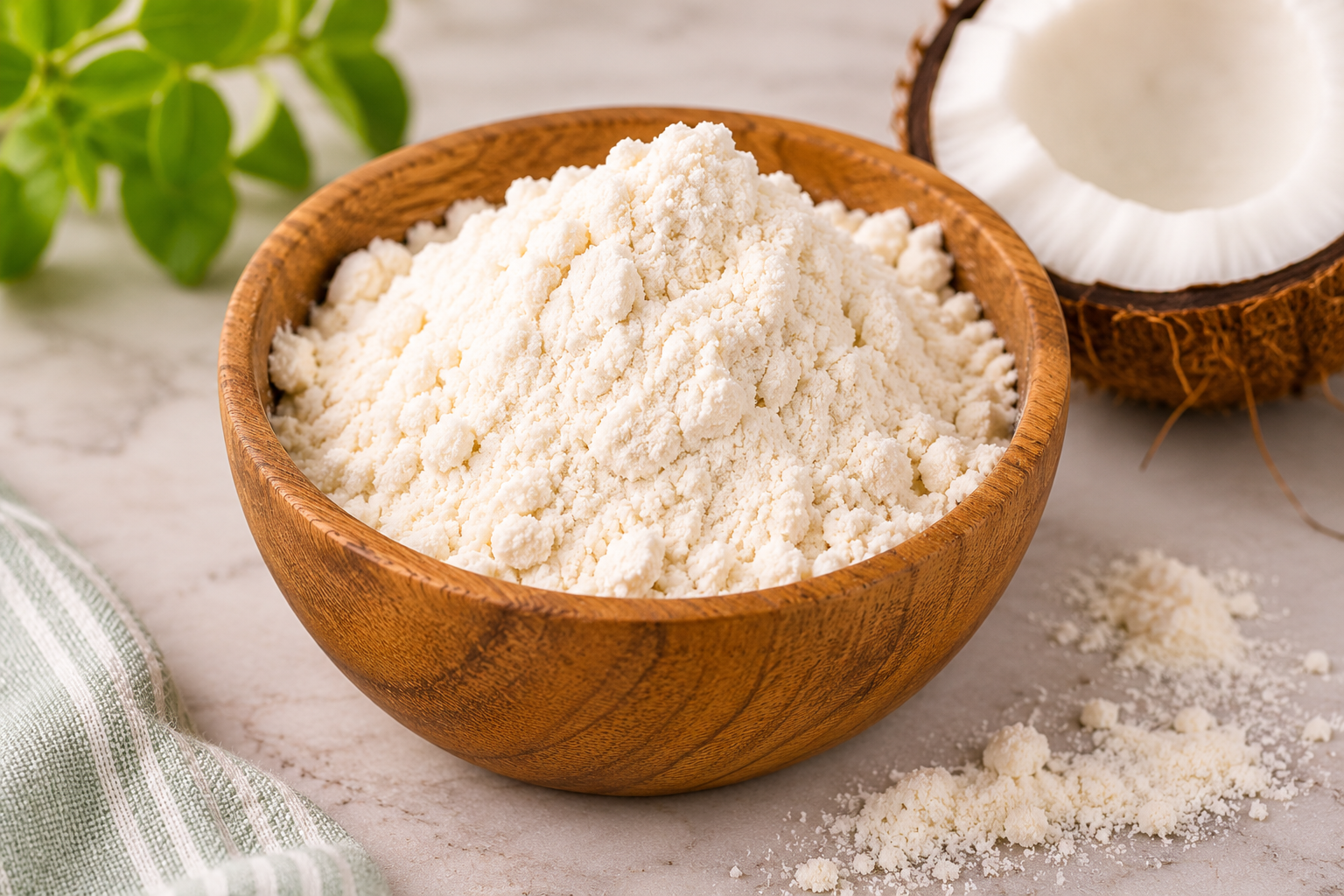
Coconut Flour

A highly absorbent flour that requires extra moisture. Best used in recipes specifically developed for coconut flour.

BEST FOR: SPECIALTY BAKING

Shop Trusted Brands →
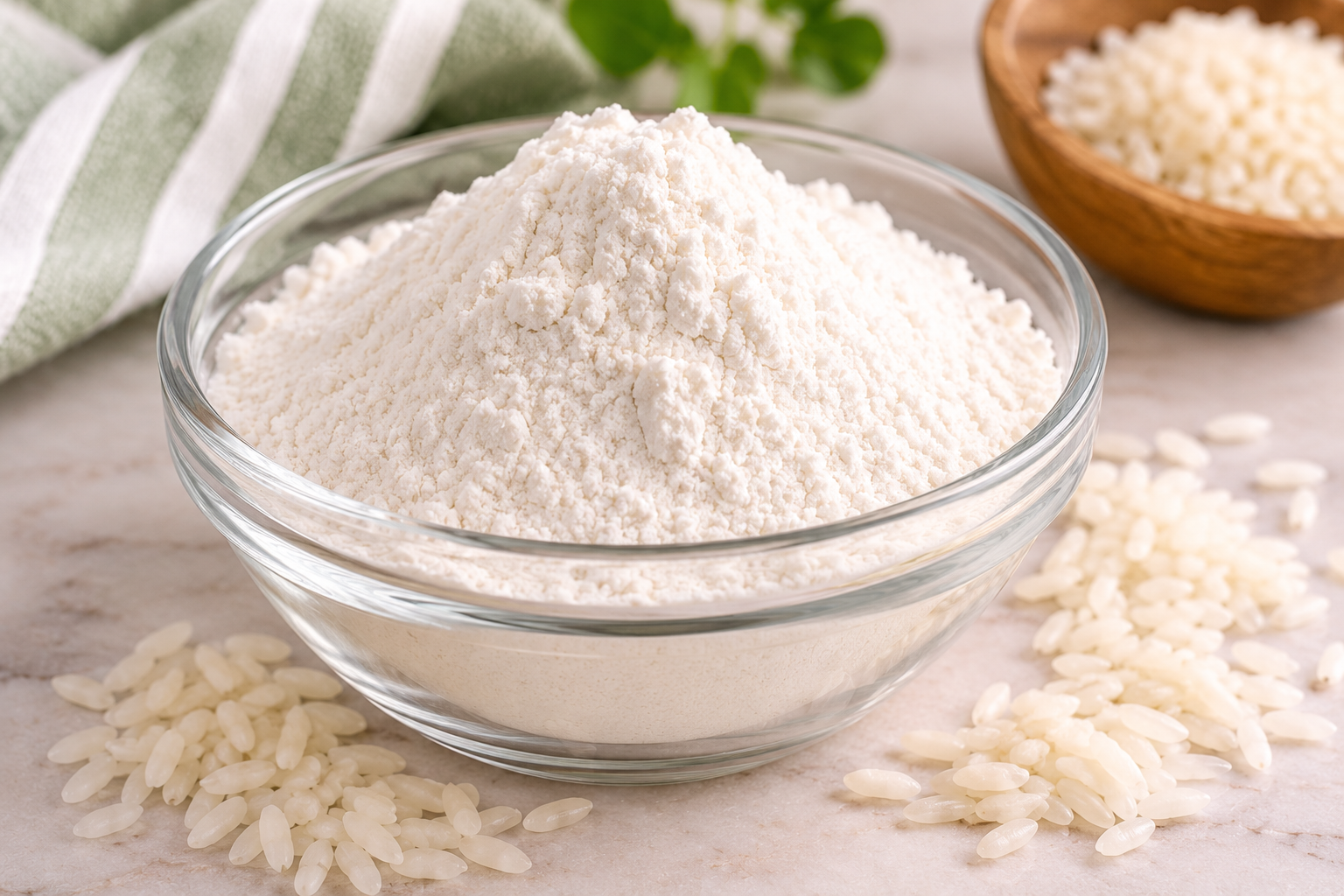
Rice Flour

A mild-flavored flour commonly used as a base for gluten-free flour blends, breads, and baked goods.

BEST FOR: FLOUR BLENDS

Shop Trusted Brands →
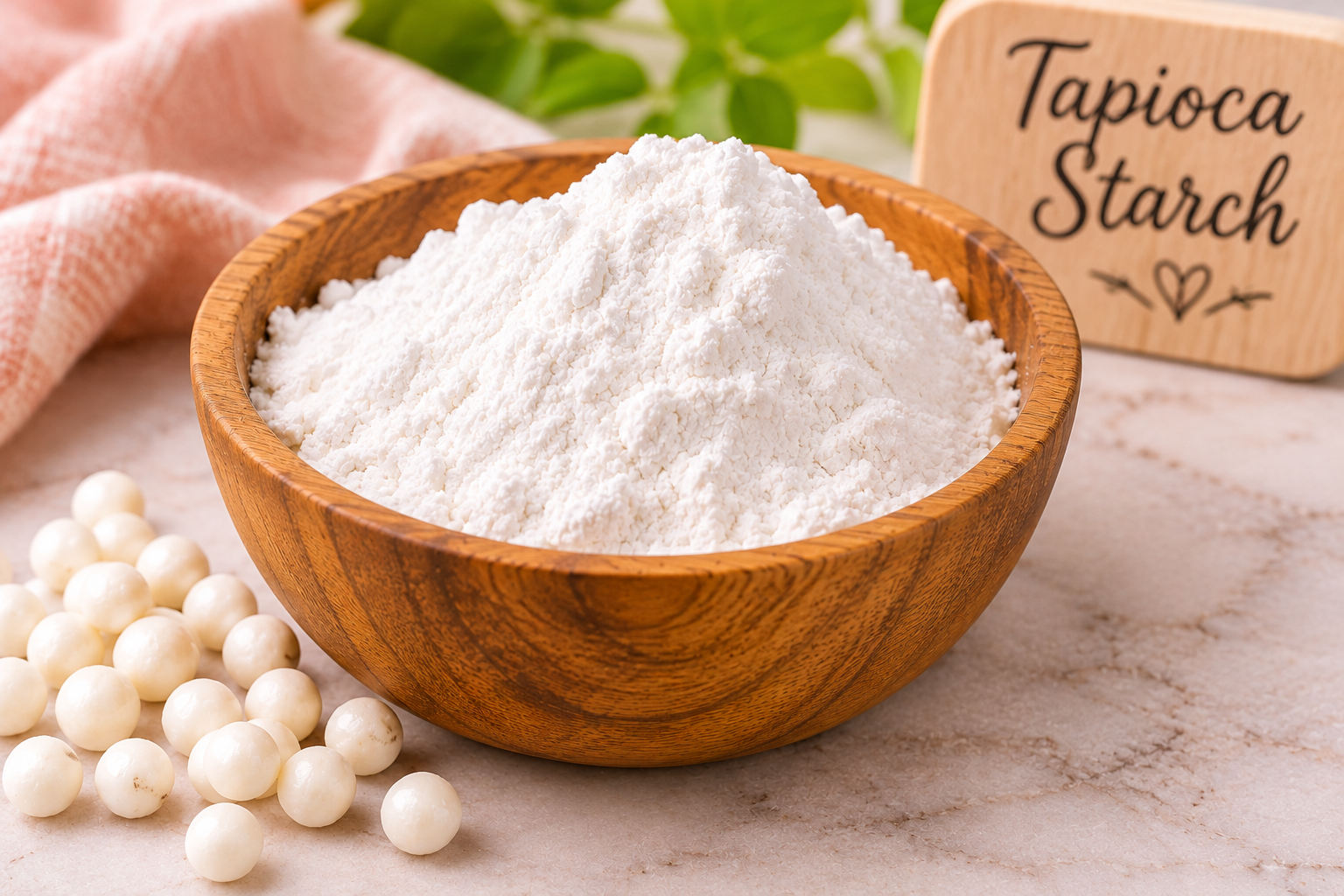
Tapioca Starch

Made from cassava root, tapioca starch helps add chewiness, lightness, and a slightly stretchy texture to gluten-free breads and baked goods.

BEST FOR: BREAD & TEXTURE

Shop Trusted Brands →
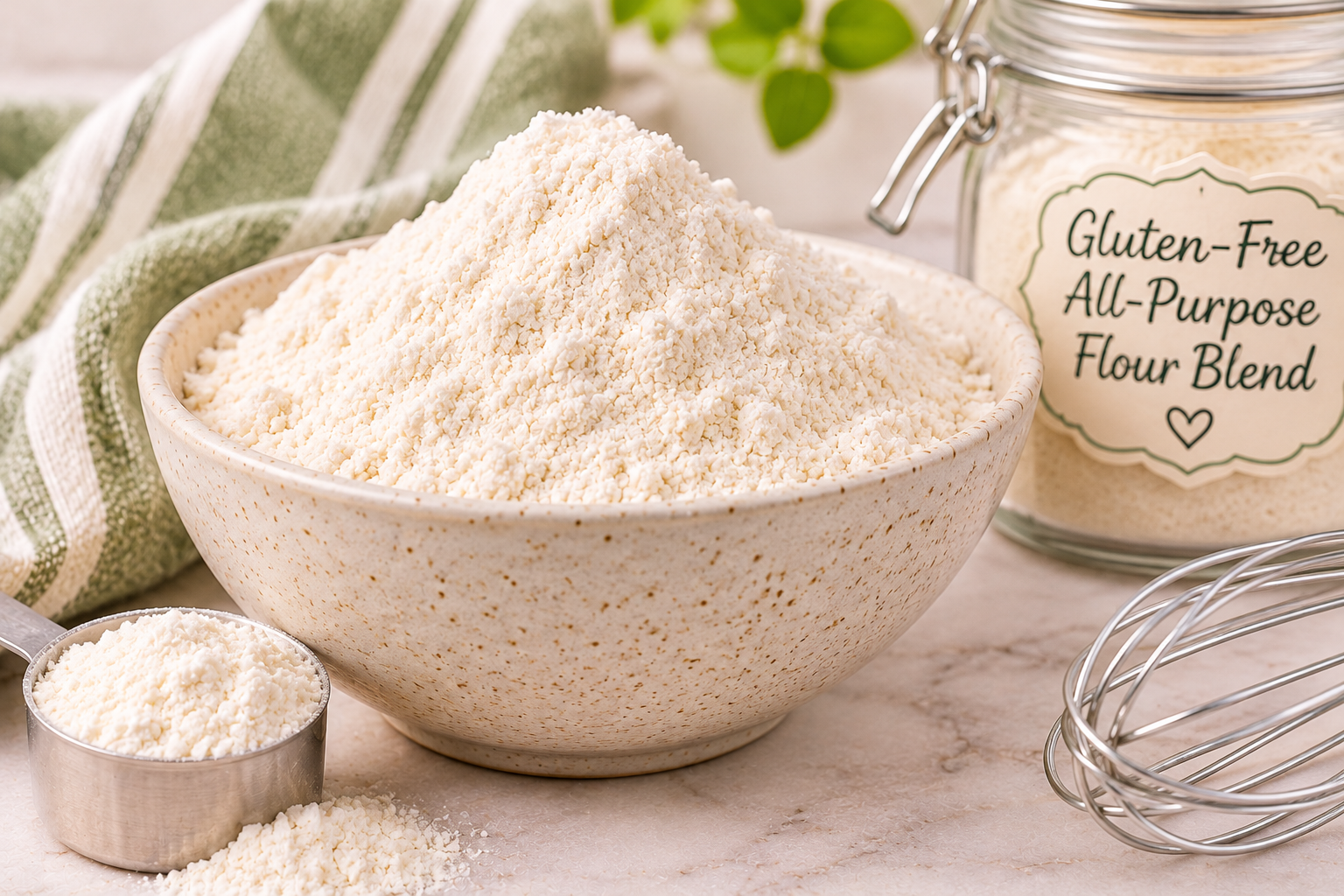
All-Purpose Gluten-Free Blends

A combination of gluten-free flours and starches designed to make everyday baking easier. Some blends already contain xanthan gum.

BEST FOR: EVERYDAY BAKING
Shop Trusted Brands →

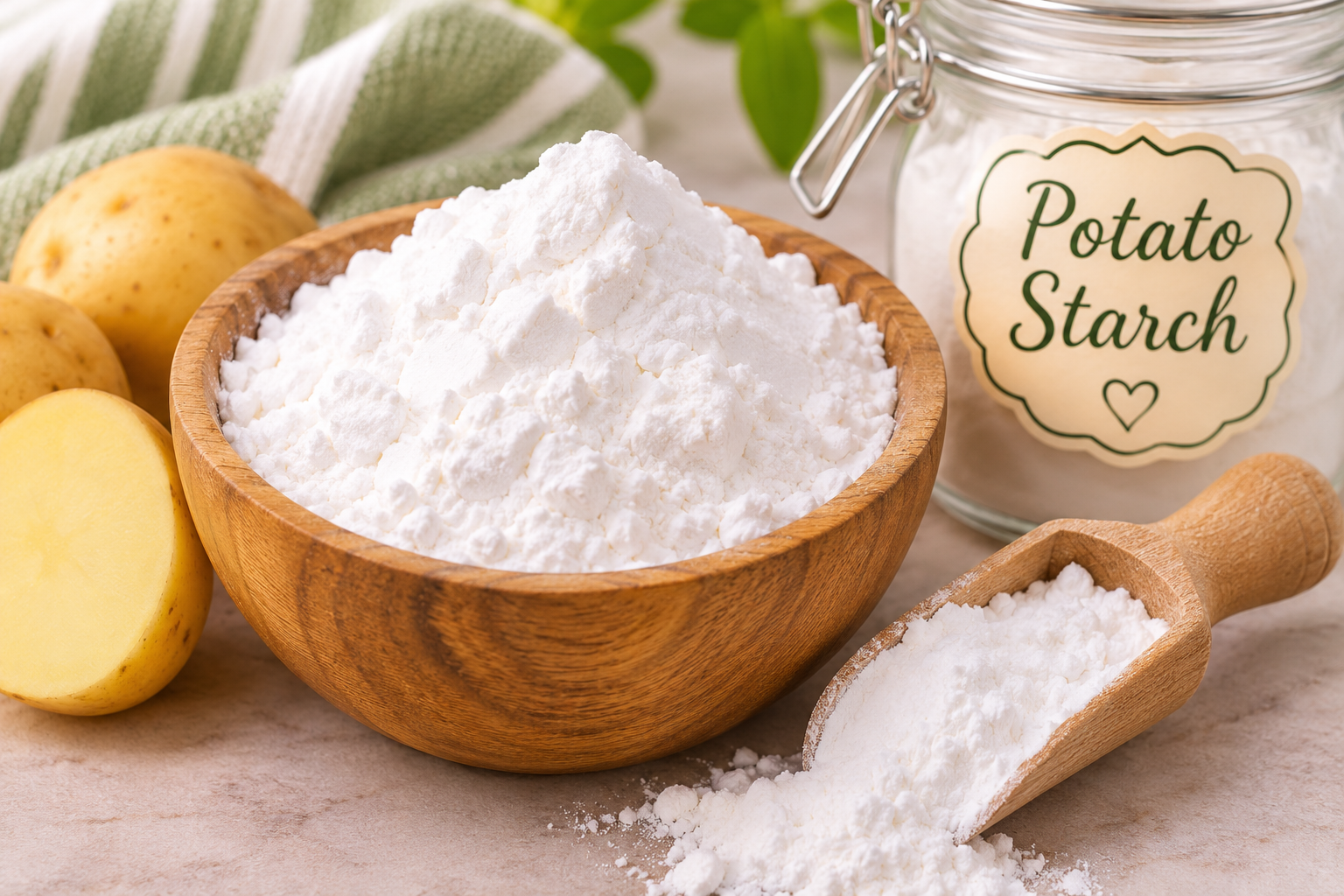
Potato Starch


A fine starch that helps improve tenderness and moisture in gluten-free baking. It is different from potato flour.

BEST FOR: SOFTER BAKED GOODS

Shop Trusted Brands →

GROCERY SHOPPING GUIDE

Grocery Shopping
& Food Labels

Shopping gluten-free can feel overwhelming at first. Learning how to read food labels, recognize ingredients, and identify trusted products can make grocery shopping much easier.

1. Understanding Gluten-Free Food Labels

Learn what gluten-free labeling means and how to identify qualifying packaged foods.


2. Ingredients to Watch For

Common ingredients include:

  • Wheat

  • Barley

  • Rye

  • Malt and malt extract

  • Spelt and triticale

Helpful reminder –

  • Wheat-free does NOT mean gluten-free. The product could still contain barley or rye, which contain gluten.

  • Gluten-free does NOT always mean wheat-free. Some gluten-free products contain specially processed wheat starch that has had the gluten removed.


3. Choosing Gluten-Free Oats

Choose oats specifically labeled gluten-free because cross-contact can occur during processing.

Shop Amazon Trusted Brands →

4. Smart Grocery Shopping Tips

Read labels every time, check packaging updates, and choose trusted products.

GLUTEN-FREE KITCHEN SAFETY

Preventing Cross-Contact

A gluten-free meal isn't just about choosing the right ingredients. It's also about making sure gluten doesn't accidentally come into contact with your food during preparation, cooking, or serving.

This guidance draws on recommendations from Beyond Celiac, Stanford Medicine Children’s Health, and the Celiac Disease Foundation.

What is cross-contact?

Cross-contact happens when gluten-free food comes into contact with gluten-containing foods, crumbs, utensils, surfaces, or equipment. Even when an ingredient is naturally gluten-free, cross-contact can make the finished food unsafe for someone with celiac disease.

01. Separate Equipment

Keep separate toasters, colanders, cutting boards, and wooden utensils to help prevent gluten cross-contact.

02. Clean Surfaces

Thoroughly clean countertops, cookware, dishes, and utensils before preparing gluten-free meals.

03. Shared Condiments

Use separate butter, spreads, and condiments to prevent crumbs from contaminating gluten-free foods.

04. Safe Preparation

Store gluten-free foods separately, use clean utensils, and avoid shared pasta water and fryers.

Helpful Resource

Beyond Celiac – Shared Kitchen Safety Guide

DINING & TRAVEL GUIDE

Eating Out & Traveling

Learn how to find gluten-free restaurant options, communicate your celiac needs, avoid cross-contact, and travel confidently while living gluten-free.

01. Finding Gluten-Free Restaurants

Look for restaurants with dedicated gluten-free menus, knowledgeable staff, and clear procedures for preventing cross-contact.

02. Communicating Your Needs

Always let your server know you have celiac disease. Ask about ingredients, preparation surfaces, shared fryers, and cooking utensils

03. Avoiding Cross-Contact

Ask whether food is prepared separately and whether clean pans, utensils, and surfaces are used.

04. Traveling Gluten-Free

Plan ahead by researching restaurants, packing safe snacks, and identifying gluten-free grocery stores near your destination.

05. Before You Travel

Research restaurants ahead of time, pack gluten-free snacks, and keep a restaurant allergy card handy.

Explore More Gluten-Free Resources

Looking for more inspiration? Explore our favorite gluten-free recipes and trusted products to make everyday living a little easier

Gluten-Free Recipes

Find delicious recipes for everyday meals and treats.

EXPLORE RECIPES →

Trusted Products

Discover gluten-free products and kitchen favorites.

SHOP FAVORITES →

As an Amazon Associate I earn from qualifying purchases.

Get Your FREE E-Book!

Your Gluten-Free Journey Starts Here! ♡

Sign up for our email list and receive our beginner’s guide to celiac disease and gluten-free living, packed with helpful tips to get you started.