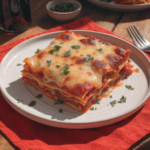
The Best Fluffy Pancakes recipe you will fall in love with. Full of tips and tricks to help you make the best pancakes.
What is Celiac Disease?
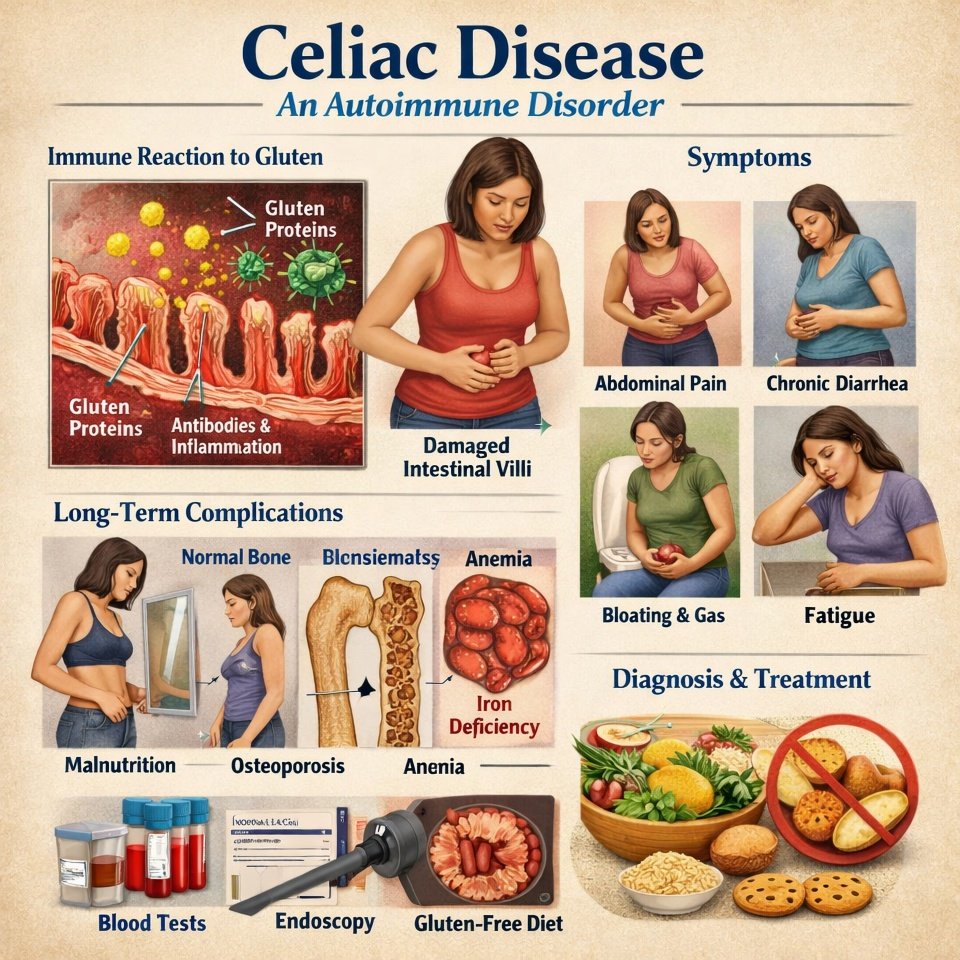
Celiac disease is a chronic autoimmune disorder that causes the body’s immune system to react to gluten, a protein found in wheat, barley, and rye. When someone with Celiac disease consumes gluten, their immune system attacks the lining of the small intestine, making it difficult to absorb essential nutrients.
Although there is currently no cure, the condition can be effectively managed by following a strict gluten-free diet. With the right knowledge, planning, and support, people with Celiac disease can live healthy and fulfilling lives.
Common Symptoms of Celiac Disease
Symptoms can vary from person to person, and some individuals may have very few noticeable signs. Common symptoms include:
- Abdominal pain or cramping
- Bloating and excessive gas
- Chronic diarrhea or constipation
- Fatigue and low energy
- Unexplained weight loss
- Iron deficiency anemia
- Skin rashes, including dermatitis herpetiformis
- Joint pain
- Brain fog and difficulty concentrating
Because symptoms can be so different, many people live with Celiac disease for years before receiving a diagnosis.
How Is Celiac Disease Diagnosed?
If you suspect you may have Celiac disease, it’s important to consult your healthcare provider before removing gluten from your diet.
Diagnosis often includes blood tests that look for specific antibodies and may be followed by an endoscopy with a biopsy of the small intestine to confirm the diagnosis.
Only a qualified medical professional can diagnose Celiac disease and recommend the most appropriate treatment plan.
Living Gluten-Free
The only effective treatment for Celiac disease is maintaining a lifelong gluten-free diet. That means avoiding foods and ingredients containing wheat, barley, rye, and products that may have been cross-contaminated.
Learning to read ingredient labels, preparing food carefully, and understanding hidden sources of gluten become essential parts of everyday life.
While the adjustment can seem overwhelming at first, it becomes easier with experience and access to reliable resources.
Our Family’s Journey
At GlutenFreeSami, this topic is deeply personal.
Our family’s gluten-free journey began in 2002 when my daughter Samantha was diagnosed with Celiac disease at just seven years old. Like many families, we had to learn everything from scratch—from reading food labels to finding recipes that actually tasted good.
Helpful Resources
If you’re looking for additional information, these organizations provide valuable education and support:
- Celiac Disease Foundation – Educational resources, research updates, and community support.
- Beyond Celiac – A nonprofit dedicated to raising awareness and advancing research toward treatments and a cure.
- Celiac.com – One of the longest-running online resources for Celiac disease news, recipes, and gluten-free information.
Understanding Gluten
Gluten is a protein found in:
Wheat
Barley
Rye
& most products made from them
This includes everyday foods like:
Bread and pasta
Cereals
Cakes and cookies
Sauces and soups (hidden gluten!)
Soy sauce
Some candies and ice creams
Many processed foods
Gluten can also be found in unexpected places, such as:
Medications
Vitamins
Lip balm
Play-doh (yes — even play-doh!)
Learning where gluten hides takes time — but it does get easier.
Common Symptoms
(Everyone is different — symptoms may vary)
Digestive Symptoms
Stomach pain
Bloating
Diarrhea or constipation
Gas
Nausea / vomiting
Non-Digestive Symptoms
Fatigue
Brain fog
Depression or anxiety
Skin rashes
Joint pain
Headaches
Malnutrition / deficiencies
Mouth ulcers
Some people have no noticeable symptoms, even while damage is occurring internally.
That’s why diagnosis and medical support are so important.
How is Celiac Disease Diagnosed?
Celiac Disease is typically diagnosed through:
- Blood tests
- Endoscopic biopsy
⚠️ It’s important not to stop eating gluten before testing, as it can affect results. Always speak with a doctor before making major dietary changes.
We are not medical professionals — we’re here to support, not diagnose.
Please consult a healthcare provider for personal advice or medical decisions.
Living Gluten-Free
A strict gluten-free diet means avoiding:
Wheat
Barley
Rye
Foods that may have been cross-contaminated
It also means learning:
How to read labels
How to spot hidden gluten
Safe vs unsafe brands
Cross-contamination risks
Cross-Contamination Matters
Gluten-free food must stay separate from gluten-containing food.
For example:
Separate toasters
Separate cooking surfaces
Separate utensils
Careful restaurant choices
It may feel overwhelming at first — but with time, it becomes second nature.
Gluten-Free Products & Ingredients
There are more gluten-free options now than ever before.
Many of the recipes on this site include links to ingredients that we use in our own kitchen — these may be affiliate links, but we share them because they’ve truly made gluten-free living easier for us.
Browse ingredients we trust: